

From a packed sporting calendar and hands-on culinary experiences to lesser-known coastal destinations, Valencia is keen to give British travellers more reasons to visit
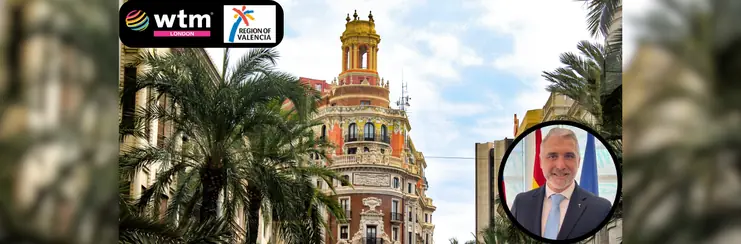
In an interview with Travel Bulletin at WTM London, José Manuel Camarero Benitez, Regional Vice-Minister for Tourism, highlighted how the Valencia region is looking to build on its strong relationship with the UK market by encouraging visitors to discover more of the destination beyond its traditional summer appeal.
"The UK is a key market for us, and we want to keep it as our leading market. We continue to offer the things British visitors enjoy during the peak summer season: beautiful cities, nightlife and wonderful beaches. But we want people to visit not just in summer but throughout the year and experience more of what the region has to offer.
"The Valencia region has a very long coastline, but the inland areas are also incredibly rich in wineries and outdoor activities. These provide the perfect complement to the beaches. We want the region to be the best place to come to relax and enjoy the summer, but also to visit at other times of the year. Even in November, you can enjoy temperatures of more than 25 degrees, a warm Mediterranean and many of the activities people associate with summer.”
Safety and the destination's welcoming Mediterranean character are also important messages for the UK market, particularly during periods of wider uncertainty across the industry. José touched on the strong connection British visitors already have with the region, noting that around 13% of British people have a second residence there.
"We want British people to come to the Valencia region and feel as though they are in a second home. The main message is that when you come to Valencia, we want you to feel at home, with warm sunshine and plenty to enjoy."
Sport is another important part of the destination's strategy, with a calendar of major events offering opportunities to attract visitors outside the peak season. MotoGP, SailGP, the Ocean Race and the Valencia Marathon are among the top events in the calendar, while the region also provides vast opportunities for visitors who prefer to participate rather than spectate.
For agents, this opens up possibilities to build longer stays around sporting events, combining tickets or event experiences with accommodation, sightseeing and local activities.
“The Costa Blanca, in Alicante, is a perfect place for road cycling. Many professional UCI cycling teams come to the region for pre-season training, and visitors can come with friends and ride the same wonderful roads.
“You can also take part in triathlons and Ironman events. We have a long coastline and plenty of opportunities for sailing and other watersports. We also have around 30 golf courses. Next year, Alicante will host a major golf event, and golf is another excellent way to enjoy the region. You can spend the day on the course and then enjoy the gastronomy, wines and lifestyle.
The next big thing
While Alicante and Valencia are familiar names for many British holidaymakers, the tourism authority is keen to raise awareness of Castellon, which it sees as an area with considerable potential.
The province combines natural beaches and attractive coastal landscapes with mountainous inland scenery, local gastronomy, and a less-developed tourism offering. Its more laid-back character could appeal to visitors looking for somewhere different from the region's established resorts.
"I believe Castellon is the next major success story for the Valencia region. Tourism is less developed there, so it feels more natural and fresh. I would really encourage British visitors to discover Castellon province, its beaches and its gastronomy."
For agents, the province offers an opportunity to introduce clients to a different side of the destination, whether as part of a touring itinerary or an extension to a coastal holiday.
Valencia’s value
With travellers increasingly conscious of budgets, the destination believes distinctive, memorable experiences will be central to its appeal over the coming 12 to 18 months. Rather than offering a place to stay or a few days of sunshine, the aim is to create opportunities for visitors to connect more closely with local life and traditions.
“I think we need to focus on the return of emotions. We are working hard to create different experiences. For example, you can come to Valencia and enjoy a paella, but you can also visit the Huerta of Valencia and see how the vegetables are grown. You can pick the vegetables, visit a traditional barraca and learn how to prepare paella in the traditional way.
"People from the area will teach you how to make it, and then you can eat the paella you have prepared yourself. You experience picking the vegetables and ingredients, preparing the dish and enjoying it, but you also learn that paella is not just food; it is part of our culture.”
Cultural celebrations are also part of the offering. The Valencia region has 468 local festivities, including the Moros y Cristianos celebrations, and the tourism authority wants international visitors to understand the stories and traditions behind them, rather than simply watching from the sidelines.
Sustainability at its heart
Alongside the development of new experiences, protecting the region's natural assets remains a priority. José stressed that sustainability is a commitment, rather than simply a marketing message, with the destination focused on preserving landscapes and preventing environmental degradation.
"Sustainability is also very important to us. It is not just a word or a political phrase; it is a real commitment. We have beautiful landscapes in the inland areas, such as Salto de la Novia in Navajas, and we have to preserve these places and prevent their degradation.
"We need to look after our natural resources and our trees, and take care of the land. British visitors come back year after year because they love the region and see it as a second home. We want to make sure they find a better destination each time they return.”
The region has recently been certified by AENOR, which José described as an important demonstration of its commitment to sustainable development.
For the UK travel trade, the message is that Valencia offers considerably more than its established summer favourites, from major sporting events and cycling holidays to culinary immersion, local festivities and the quieter landscapes off the tourist trail.
WTM London 2026 runs from November 3rd-5th, at the ExCel London